

What Causes Frozen Condensate Pipes at Home?
A boiler that suddenly stops on a frosty morning is frustrating, particularly when you are left without heating or hot water. If you are wondering what causes frozen condensate pipes, the answer is usually simple: water produced by your condensing boiler has frozen in an exposed pipe outside the property. The good news is that this is often preventable, and in some cases can be resolved safely without waiting for a repair.
What is a condensate pipe?
Modern condensing boilers recover heat that older boilers would lose through the flue. As they do this, they produce a small amount of slightly acidic water known as condensate. This water needs to drain away through a plastic condensate pipe, usually into an internal waste pipe, soil stack or external drain.
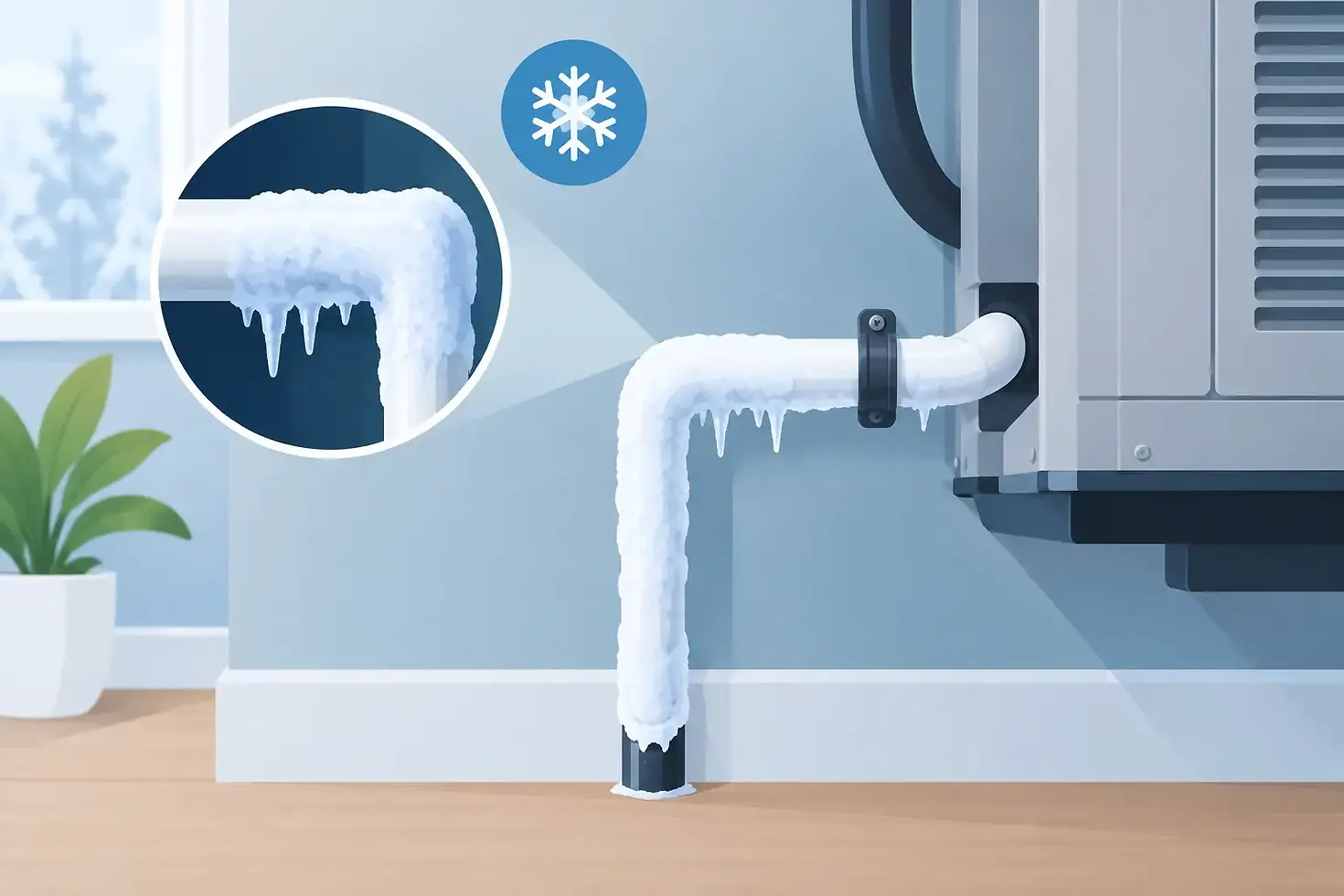
When the boiler is working normally, this happens quietly in the background. But if part of the pipe runs outdoors and temperatures fall below freezing, the water inside can turn to ice. The ice creates a blockage, stopping further condensate from leaving the boiler.
Most modern boilers are designed to shut down when this happens. It may display a fault code, make gurgling noises or simply stop providing heat and hot water. This safety response helps protect the boiler, but it still leaves you with an urgent problem to solve.
What causes frozen condensate pipes?
Freezing temperatures are the immediate cause, but several installation and property factors make some homes far more likely to experience the problem than others.
An external pipe is exposed to cold air
A condensate pipe installed externally is exposed to the lowest overnight temperatures, wind and frost. Even in coastal areas such as Southend-on-Sea, Westcliff-on-Sea and Leigh-on-Sea, a sharp cold spell can freeze a poorly protected pipe.
The most vulnerable sections are those running along an outside wall, around the side of an extension or into a gully. A short exposed section can be enough to cause trouble, especially where the pipe holds standing water.
The pipe is too narrow
Older or unsuitable installations may use a narrow pipe outdoors. A small diameter means less water can move through it and a blockage forms more quickly when temperatures drop.
Current good practice is to use a larger pipe for external runs where possible. This gives condensate more room to flow and makes the pipe slower to freeze. It is not a guarantee during severe weather, but it makes a noticeable difference.
Insulation is missing or inadequate
Pipe insulation helps, but thin, damaged or poorly fitted insulation may offer little protection in prolonged freezing weather. Gaps around bends, joints and clips are common weak points. Insulation that is wet, split or coming away from the pipe should be replaced.
It is also worth knowing that insulation reduces heat loss rather than creating heat. A long, exposed run can still freeze during several days of sub-zero temperatures, even if it is insulated.
Poor pipe falls trap water
The condensate pipe should slope continuously towards the drain. If it sags, runs uphill in places or has an awkward route with too many bends, water can collect in low spots. That standing water freezes first and can quickly block the entire pipe.
This is why a frozen condensate issue may return each winter. Thawing the pipe restores the boiler temporarily, but the underlying route or fall may need correcting.
The outlet or drain is already restricted
Leaves, dirt, moss and debris can partially obstruct an external gully. A blocked outlet slows drainage, leaving water in the pipe for longer. When the weather turns cold, it then freezes more easily.
A drain that regularly backs up needs proper attention. Repeatedly thawing the boiler pipe will not solve a drainage issue further down the system.
Signs your condensate pipe may be frozen
A condensate blockage is more likely if your boiler has stopped during freezing weather and an external plastic pipe runs from the boiler or from the bottom of the property to a drain. You may notice an error code, a boiler lockout light or unusual bubbling sounds.
Not every boiler fault in winter is caused by frozen condensate. Low boiler pressure, a frozen heating pipe, a faulty component or a gas supply issue can produce similar symptoms. If you are unsure, do not keep resetting the boiler repeatedly. A qualified engineer can identify the cause and make sure the appliance is safe to use.
How to thaw a frozen condensate pipe safely
Only attempt this if you can clearly identify an accessible external plastic pipe and can reach it safely from ground level. Do not climb ladders, lean from windows or work near electrical equipment.
First, switch the boiler off at its controls. Then gently warm the frozen section using warm water from a jug, hot water bottles or a warm, damp cloth. Start near the lowest point or the open end of the pipe and work back towards the boiler. This helps melt the blockage gradually and lets water escape.
Do not use boiling water. Sudden heat can crack plastic pipework, particularly when it is already very cold. Never use a blowtorch, naked flame, heat gun or any sharp tool to break up ice. These methods can cause damage, burns or a more expensive repair.
Once the pipe has thawed, switch the boiler back on and follow the manufacturer’s reset instructions if needed. If it restarts and continues to run normally, keep an eye on the pipe during the next cold spell. If it will not reset, leaks appear, or the problem returns straight away, arrange a boiler repair.
When to call a Gas Safe engineer
A frozen condensate pipe is often straightforward, but there are situations where professional help is the sensible option. Contact an engineer if the pipe is difficult to access, the boiler is showing an unfamiliar fault code, there is any sign of a leak, or you cannot restore heating and hot water after thawing it.
You should also arrange an inspection if this has happened more than once. A permanent improvement may involve rerouting the pipe internally, increasing the external pipe size, improving insulation, correcting the fall or changing the discharge point. The best solution depends on the property layout, drainage position and what can be installed in line with current regulations.
Do not remove the boiler casing or attempt to alter pipework yourself. Your boiler is a gas appliance, and any work on it should be carried out by a Gas Safe registered engineer.
Preventing frozen condensate problems next winter
The most reliable prevention is good pipe design. Where practical, an internal condensate route is generally less exposed to frost than an external one. Where an outdoor route cannot be avoided, a suitably sized pipe, correct fall, quality insulation and a clear drain all matter.
Before winter arrives, check that visible insulation is secure and undamaged, and clear obvious leaves or debris from the gully where the pipe discharges. Book an annual boiler service too. While servicing the boiler, an experienced engineer can check the condensate arrangement and point out any weaknesses before a cold snap exposes them.
If your boiler has been losing pressure, making unusual noises or breaking down regularly, do not assume condensate is the only issue. Addressing small faults early is usually less stressful than dealing with a complete loss of heating when temperatures fall.
A frozen condensate pipe can be an unwelcome winter interruption, but it does not have to become a repeat event. A safe thaw may get your home warm again today; a properly assessed pipe route can give you far greater peace of mind when the next cold spell arrives.


Comments