

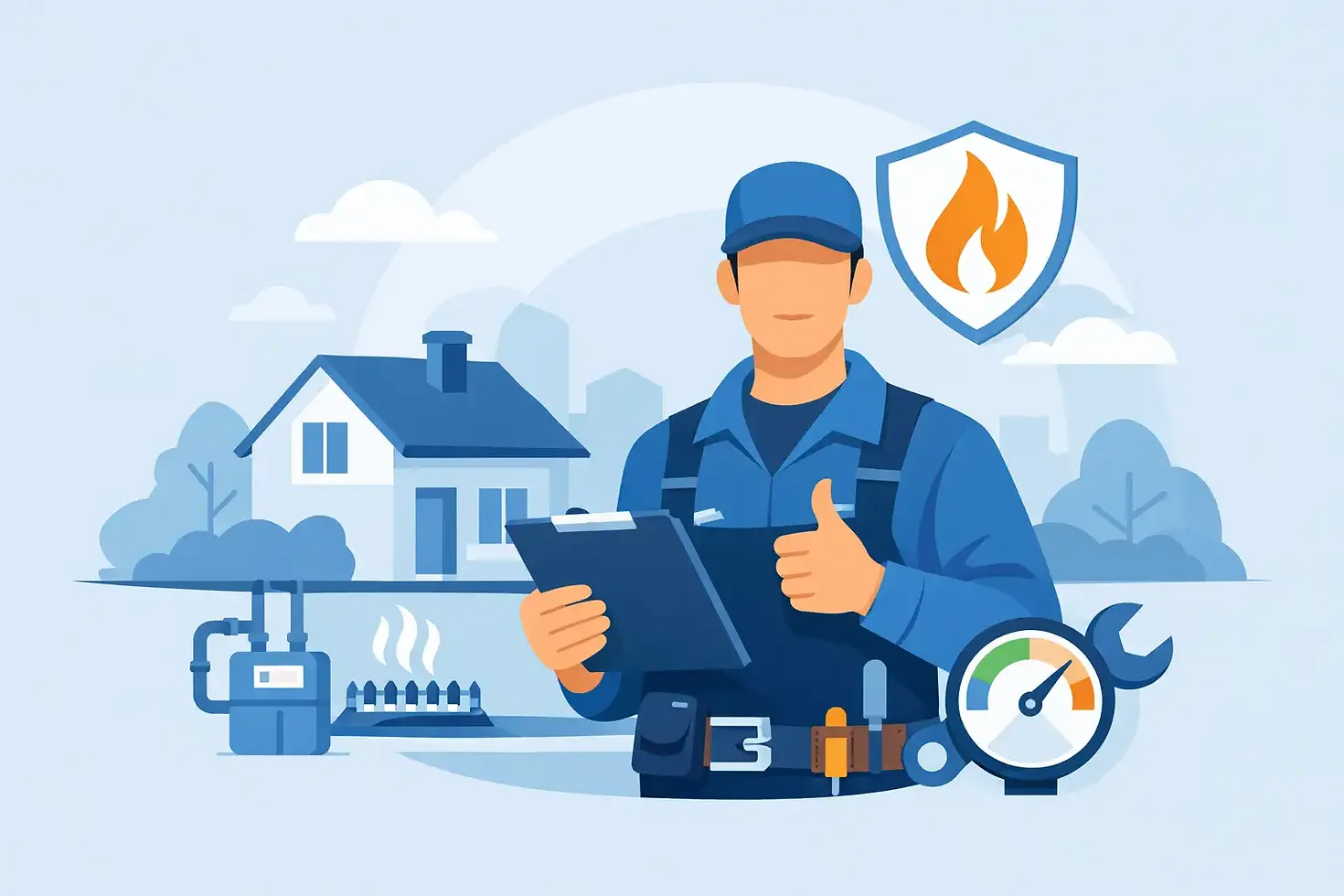
A Homeowner’s Guide to Gas Safe Engineers
If someone is working on your boiler, gas hob or pipework, the first question is not about price - it is whether they are legally qualified to do the job. That is where this guide to gas safe engineers matters. For homeowners, getting this right protects your safety, your appliance warranty, and your peace of mind.
Gas work is not the same as general plumbing. A good plumber may be excellent with pipework, taps and bathrooms, but any work involving gas appliances must be carried out by a Gas Safe registered engineer. That includes boilers, gas fires, cookers and some water heaters. If a person is not properly registered for the specific type of gas work needed, they should not be doing the job.
What is a Gas Safe engineer?
A Gas Safe engineer is a tradesperson who is on the official Gas Safe Register and legally qualified to work on gas appliances and installations. In the UK, this is the recognised standard for gas safety. Registration shows that the engineer has the right training and is assessed to carry out gas work safely.
That said, registration is not a blanket approval for every possible task. Engineers are listed for the categories of work they are qualified to do. One engineer may be qualified for domestic boilers and cookers, while another may also be qualified for commercial systems. For a homeowner, the key point is simple: always check that the engineer is registered and that their qualifications match the job in front of them.
Why this guide to gas safe engineers matters
Gas appliances are part of everyday life, so it is easy to forget the risks when they are installed, serviced or repaired badly. Unsafe gas work can lead to gas leaks, fires, inefficient running and carbon monoxide exposure. Some faults are obvious, but others are not. A boiler that seems to be working can still be unsafe.
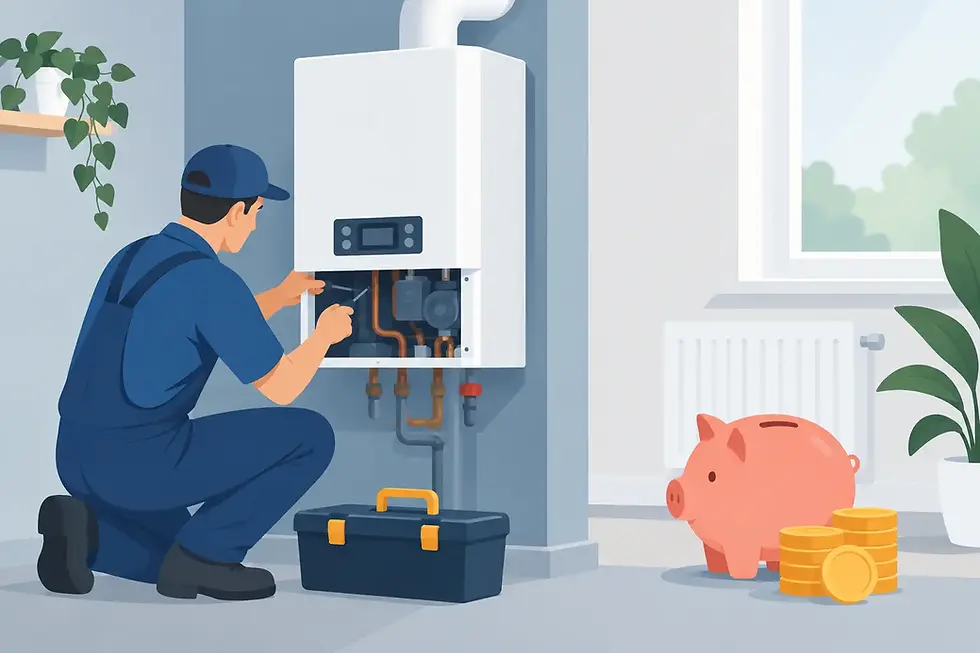
There is also a financial side to it. Poor workmanship can shorten the life of your boiler, leave you with repeat faults, and in some cases affect your manufacturer warranty. Paying slightly less upfront can become expensive if the work needs correcting later. For most homeowners, the right engineer is the safer and more cost-effective choice.
What Gas Safe engineers actually do
A lot of households think of Gas Safe engineers only when the boiler breaks down, but their role is broader than that. They install new boilers, carry out annual servicing, diagnose faults, repair heating systems, test appliances, check ventilation, and inspect gas pipework.
They may also cap off old gas supplies, disconnect appliances safely, and issue the relevant paperwork after installation work. In some cases, they can spot issues before they turn into major breakdowns. That is one reason annual servicing is worth taking seriously. It is not just a box-ticking exercise - it helps keep your system safe, efficient and reliable.
How to check a Gas Safe engineer properly
The safest approach is to check before any work starts. A genuine Gas Safe engineer should be happy to show their ID card. This card includes their licence number, expiry date and the categories of work they are qualified to carry out.
Do not feel awkward about asking. A professional engineer will expect it. In fact, if someone becomes defensive when you ask to see their card, that is a warning sign in itself.
It is also worth checking that the business name on the card matches the company you booked. If you have arranged a boiler repair and a different person turns up, ask questions before they begin. Reputable firms understand that homeowners want reassurance.
Signs you are choosing the right engineer
A good Gas Safe engineer does more than hold the right card. They turn up when they say they will, explain the issue clearly, and give honest advice that makes sense for your home. You should feel that they are solving the problem, not trying to confuse you with jargon.
Look for someone who is clear about costs, realistic about timescales, and willing to talk through your options. Sometimes a repair is the right call. Sometimes replacement makes more sense, especially if the boiler is older, unreliable, or expensive to keep patching up. A trustworthy engineer will explain the trade-off rather than push one answer every time.
Clean and respectful working matters too. When someone is entering your home, you want them to protect the area, tidy up after themselves and treat your property with care. That may sound basic, but it says a lot about the standard of the business as a whole.
When you need a Gas Safe engineer
Some situations are obvious. If your boiler has stopped working, your hot water has gone, or your radiators are cold, you may need a repair visit. Other situations are more preventative. An annual boiler service, for example, helps catch wear and tear early and can help maintain efficiency.
You should also call a Gas Safe engineer if you smell gas, notice black marks around an appliance, see a weak yellow flame where there should be a crisp blue one, or suspect carbon monoxide issues. In urgent cases, the priority is safety. Turn off the appliance if safe to do so, ventilate the area, and seek emergency advice straight away.
If you are planning a boiler replacement, it is also worth speaking to a qualified engineer early. The cheapest quoted boiler is not always the best fit. The right size, controls and warranty can make a real difference to long-term running costs and reliability.
Questions worth asking before the job starts
Homeowners do not need to know every technical detail, but a few practical questions can make the whole process easier. Ask whether the engineer is Gas Safe registered for that type of work, what is included in the quote, whether parts and labour are guaranteed, and how long the work is likely to take.
For boiler installations, ask about warranty length, system flushing, controls, and whether any additional work is likely to be needed. For servicing and repairs, ask what checks will be carried out and whether any follow-up action is recommended.
A reliable engineer will answer clearly and without fuss. If the answers feel vague, rushed or inconsistent, it is sensible to pause before agreeing to the work.
Common mistakes homeowners make
One of the biggest mistakes is choosing on price alone. Of course cost matters, and most households are balancing a budget, but unusually cheap work often comes with compromises. The quote may exclude important steps, use lower quality parts, or simply reflect poor standards.
Another mistake is assuming all engineers cover all gas jobs. As mentioned earlier, qualifications vary. It is also common for people to put off servicing because the boiler appears to be fine. Unfortunately, many boiler problems build up quietly. By the time there is no heating or hot water, the fix can be more disruptive and more expensive.
Some people also wait too long to replace an ageing boiler. Repairing an old unit can still be sensible, but there comes a point where repeated call-outs, poor efficiency and unreliable performance make replacement the better investment. It depends on the age of the appliance, the severity of faults, and the cost of ongoing repairs.
Local service still matters
When you need help with heating or hot water, speed and reliability matter just as much as qualifications. A local Gas Safe registered business can often offer a more responsive service, better knowledge of the area, and the kind of customer care that is harder to find with large, distant call centres.
For homeowners in places such as Southend on Sea, Westcliff on Sea and nearby areas, using a trusted local engineer can mean quicker appointments and clearer communication. It also helps to know who you are inviting into your home. Businesses with a strong local reputation usually understand that punctuality, tidy workmanship and straightforward advice are what customers remember.
That is why companies such as Ecosmart Heating focus not only on Gas Safe compliance, but also on dependable service, fair pricing and treating the home with respect. For most households, that combination is what turns a stressful boiler issue into a manageable one.
A final thought for homeowners
The best time to find a good Gas Safe engineer is before you are standing in a cold house with no heating. If you check credentials, ask sensible questions and choose a professional who values safety as much as service, you give yourself a much better chance of avoiding stress later on.


Comments