


Can a Leaking Boiler Be Repaired or Replaced?
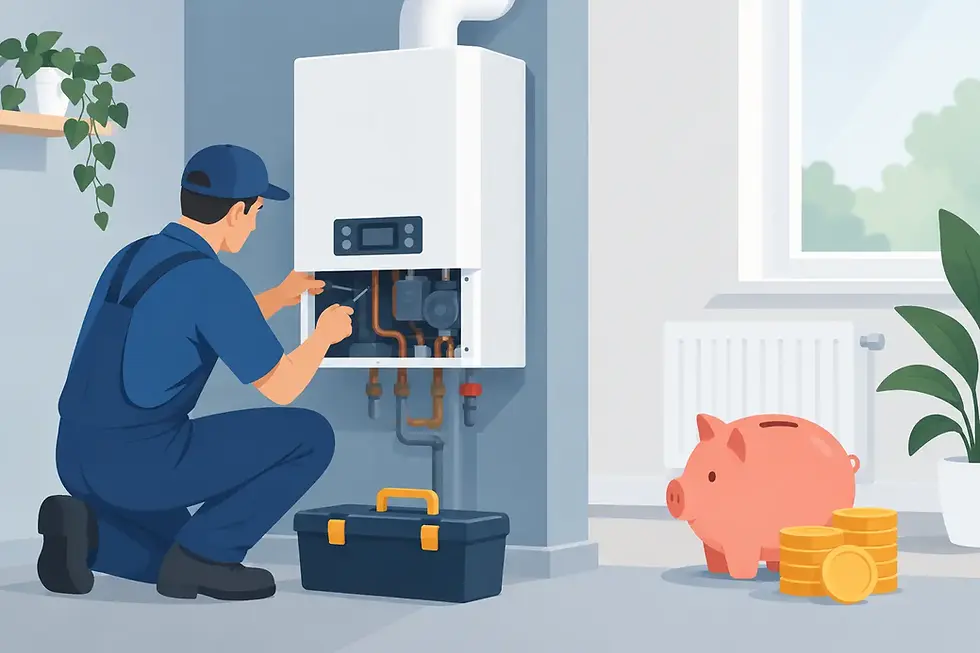
A puddle beneath the boiler, a slow drip from a pipe, or a pressure gauge that keeps dropping can quickly make you wonder: can a leaking boiler be repaired? In many cases, yes. A qualified Gas Safe engineer can often identify the faulty part and carry out a lasting repair. The right answer depends on where the water is coming from, the boiler’s age, its condition and whether the repair represents good value.
The key is not to ignore it. Even a small leak can lead to water damage, corrosion, unreliable heating and, in some situations, an electrical safety concern. Acting early usually gives you more options and helps prevent a manageable repair from becoming a larger problem.
What to do when you notice a boiler leak
First, switch the boiler off using its controls. If water is close to electrical connections, do not touch switches, wiring or remove the boiler casing. If it is safe and you know how, place a towel or container beneath the drip to protect flooring and cabinets.
Do not keep topping up the pressure to make the heating work. Repeatedly adding water can mask the real issue and may make corrosion within the system worse over time. Avoid taking the boiler cover off or attempting an internal repair yourself. Boiler repairs should be completed by a Gas Safe registered engineer.
If you can see a clear external pipe joint dripping, you may be able to limit the mess by turning off the water supply, but only if you are certain which valve controls it. Otherwise, leave it alone and arrange professional help.
A leak is not normally a gas emergency, but if you smell gas, feel unwell, or suspect carbon monoxide, leave the property, avoid using electrical switches and contact the National Gas Emergency Service immediately on 0800 111 999. For all boiler leaks, a working carbon monoxide alarm is a worthwhile extra safeguard.
Where is the water coming from?
Finding the source is the most useful first step, although it is not always as obvious as it seems. Water can travel along pipes or collect underneath the boiler before dripping down, so the lowest wet point is not necessarily where the fault began.
Leaking pipework or connections
A loose connection, worn seal, damaged valve or corroded pipe can cause a leak around the boiler. These faults are often repairable, particularly where the boiler itself is otherwise working well. The engineer will check whether a seal or fitting can be replaced and whether corrosion has affected nearby pipework.
Pressure relief valve discharge
If water is coming from a small copper pipe outside the property, often near the boiler flue, the pressure relief valve may be discharging. This can happen when system pressure becomes too high. The underlying cause may be a faulty expansion vessel, a failing pressure relief valve or an issue with the filling loop.
This is a common reason homeowners notice pressure problems. Resetting the pressure without addressing the cause is rarely a long-term fix.
Internal boiler component failure
Leaks from inside the casing can be caused by ageing seals, a pump, heat exchanger, auto air vent or other internal components. Some parts can be replaced economically. Others, particularly a cracked or badly corroded heat exchanger, can make a repair expensive enough to question whether replacement is the sensible route.
Condensate pipe issues
Modern condensing boilers produce condensate, which leaves through a plastic waste pipe. A damaged, loose or blocked condensate connection can leak water. This is usually separate from the sealed heating system, but it still needs diagnosing correctly to prevent repeat problems.
Can a leaking boiler be repaired cost-effectively?
A leaking boiler can often be repaired when the fault is limited to a serviceable component and the boiler has years of reliable life left. Replacing a valve, seal, pump or short section of pipework may be far more economical than fitting a new boiler.
The decision becomes less straightforward when the boiler is older, has broken down more than once recently, or needs a major part that is difficult to source. A repair can restore heating today, but it may not offer good value if another costly fault is likely in the near future.
An engineer should explain the cause in plain language, set out the repair required and be clear about the likely cost. If replacement is worth considering, you should be given that option without pressure. A good recommendation looks at the condition of the full system, not just the visible leak.
When replacement may be the better option
Replacing a boiler is not automatically necessary because it leaks. However, it may be the more practical choice if the heat exchanger has failed, corrosion is widespread, or replacement parts are obsolete. The same applies when an older boiler has become unreliable and repair costs are mounting.
A modern, efficient boiler can reduce wasted energy and provide greater reassurance, especially when installed with appropriate system protection and a long manufacturer warranty. For households planning to stay in their home, that longer-term reliability can matter as much as the immediate repair bill.
There is a trade-off. A repair has a lower upfront cost and may be exactly right for a well-maintained boiler. A replacement costs more initially, but can avoid a cycle of call-outs and give you a fresh warranty. The best choice is based on evidence from the inspection, your budget and how dependable you need your heating to be.
Why boiler pressure matters
Your boiler needs the correct water pressure to circulate heat around radiators and hot water outlets. Most systems operate at around 1 to 1.5 bar when cold, though the correct range can vary by manufacturer and installation.
A leak often causes pressure to fall gradually. You may notice radiators taking longer to warm up, the boiler displaying a fault code, or the need to repressurise it frequently. In contrast, a faulty expansion vessel can cause pressure to rise sharply when the heating is on and lead to water escaping through the pressure relief pipe.
Neither situation should be treated as normal. Frequent pressure changes point to a fault that needs investigation. An annual boiler service can help spot developing issues, but a visible leak between services should be checked sooner.
What a professional boiler repair visit involves
A proper diagnosis is more than tightening a fitting. The engineer will inspect the boiler and visible pipework, check system pressure, identify the source of the leak and assess the condition of the relevant parts. They may also check the condensate route, safety devices and signs of corrosion.
Once the cause is known, you should receive a clear explanation of whether repair is possible, what work is involved and whether further work is likely. After a repair, the system should be tested to make sure the leak has stopped and the boiler is operating safely.
For homeowners in Southend-on-Sea and nearby areas, Ecosmart Heating provides Gas Safe boiler repair with the straightforward advice needed when a leak is causing worry. The aim should always be a safe, dependable solution rather than a quick patch that leaves you with the same problem next month.
Can I use my boiler while it is leaking?
It is best not to run a leaking boiler until it has been assessed, particularly if the water is coming from inside the casing or close to electrical components. Continuing to use it can worsen the fault and create further damage. If the leak is very minor and clearly from external pipework, an engineer can still advise whether temporary use is safe, but do not make that judgement based on appearances alone.
Will a boiler leak cause a breakdown?
It can. As water escapes, boiler pressure may drop until the appliance locks out. Water can also damage parts inside or around the boiler, while ongoing leaks encourage corrosion. Prompt repair gives the best chance of avoiding a cold home and a more expensive call-out.
Is a leaking boiler covered by a warranty?
That depends on the boiler’s age, the manufacturer’s warranty terms and the failed component. Many warranties require annual servicing by a qualified engineer and may exclude faults caused by poor installation, system debris or external pipework. Keep service records and ask the engineer to confirm whether a warranty claim may apply before authorising major work.
A leaking boiler is stressful, particularly when you rely on it for family heating and hot water. Do not worry, though: most leaks have an identifiable cause, and timely professional advice will tell you whether a straightforward repair can put things right or whether investing in a replacement will give your home better peace of mind.


Comments