


Combi Boiler Installation Time Explained
If your current boiler is struggling, one of the first questions you will ask is about combi boiler installation time. That makes sense. You want to know how long the heating and hot water will be off, how disruptive the work will be, and whether the job can be finished in a day or if it will run longer.
The honest answer is that it depends on what is already in your home and what needs changing. Some combi boiler installations are quite straightforward and can be completed in a day. Others take two days or more, especially where pipework needs altering, an old system is being converted, or there are access issues. A good installer should explain this clearly before work starts, so there are no surprises halfway through the job.
What is the usual combi boiler installation time?
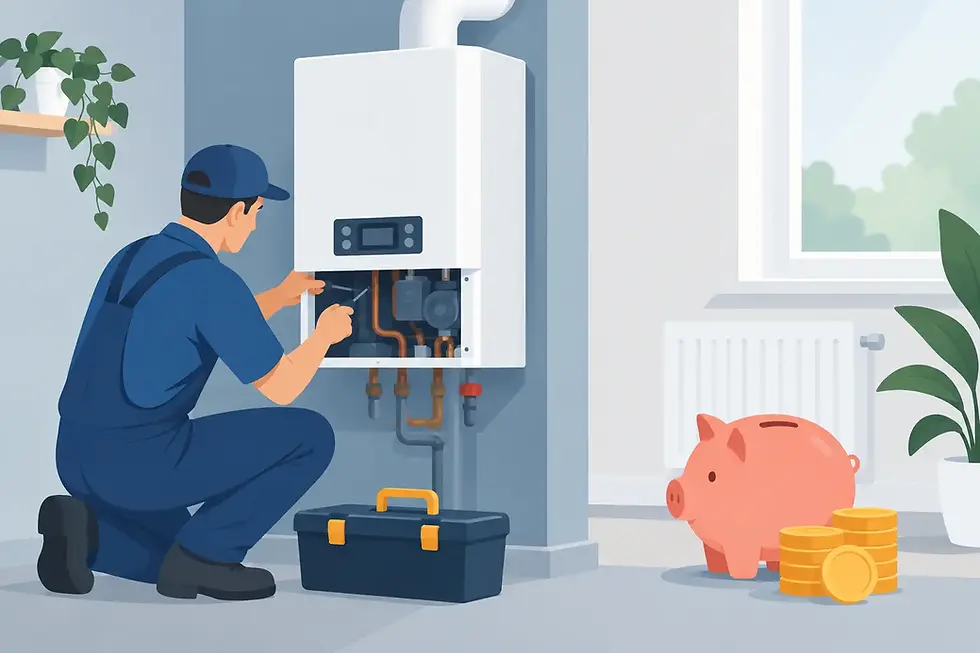
For a like-for-like replacement, the usual combi boiler installation time is around one day. That generally means removing the old combi boiler and fitting a new combi in a similar position, with only minor adjustments to connections and controls.
Where the job is more involved, it often takes between one and two days. If you are changing from a conventional or system boiler to a combi boiler, the installation can take two to three days. That is because the engineer may need to remove tanks, reroute pipework, adjust the flue position, and make changes to the heating controls and water connections.
This is why two homes on the same street can have very different installation times. The age of the property, the existing heating setup, and the condition of the pipework all make a difference.
Why combi boiler installation time can vary
A combi boiler does not need a separate hot water cylinder or cold water storage tank, which makes it a popular choice for many households. Even so, fitting one is not always a simple swap.
Like-for-like replacements are quicker
If your current boiler is already a combi and the new one is going in the same place, the work is usually more straightforward. The gas supply, water connections, condensate pipe, and flue route may already be suitable or need only minor changes.
In this sort of job, the engineer can often remove the old appliance, fit the new one, carry out the necessary safety checks, commission the boiler properly, and explain the controls, all within the same day.
Converting to a combi takes longer
If you are replacing a regular boiler with a combi, the timescale is often longer because the whole setup changes. Tanks in the loft and a hot water cylinder may need to be removed. Pipework may need to be altered to suit mains-pressure hot water, and the heating system may need extra cleaning before the new boiler is connected.
This kind of work is more disruptive, but for many homeowners it is worth it. You can free up space, simplify the system, and get hot water on demand. It just means allowing more time for the installation.
Boiler location matters
Keeping the new boiler in the same place usually saves time. Moving it to a different room, or even to another wall, can add quite a bit of labour. The installer may need to extend gas pipework, alter water pipes, create a new flue hole, and make good around the new position.
A move can still be the right choice if it improves access or frees up useful space, but it is one of the clearest reasons a one-day job becomes a two-day one.
Other factors that affect installation time
The condition of the existing system matters more than many people realise. If the pipework is old, poorly sized, or has been altered badly in the past, extra work may be needed to make the new installation safe and reliable.
System cleaning can also add time. Many new boilers need a clean heating system to protect the warranty and help the appliance run efficiently. If there is sludge in the radiators or dirty water in the system, the engineer may recommend a chemical flush or a more thorough clean before commissioning the boiler.
Access can slow things down too. A boiler tucked into a tight cupboard, awkward loft space, or busy utility room can take longer to remove and fit safely than one in an open kitchen wall. Parking and property access sometimes affect timing as well, especially in built-up areas where getting tools and materials in quickly is not always simple.
Then there are the unexpected issues. A hidden leak, unsafe gas pipe, damaged flue route, or electrical fault might only come to light once the old boiler is removed. A professional engineer should flag these problems straight away and explain what needs doing before the installation can be completed properly.
What happens on installation day?
Knowing what the day looks like can make the process feel less stressful. In most cases, the engineer will first protect the work area and confirm the plan with you. The old boiler is then isolated, drained down, and removed.
Once that is done, the new boiler is mounted and connected to the heating, hot water, gas, condensate, and flue systems. Any filters, controls, or thermostat upgrades are fitted at the same stage. The engineer then fills the system, checks for leaks, tests everything, and commissions the boiler according to the manufacturer instructions.
Before leaving, they should also register the installation, complete the Benchmark paperwork, and show you how to use the controls. That final handover matters. A good installation is not just about getting the boiler on the wall. It is about making sure you know how to heat your home efficiently and safely.
How long will heating and hot water be off?
For most straightforward replacements, expect heating and hot water to be off for most of the working day. If the installation runs smoothly, both are often back on by late afternoon or early evening.
For more complex jobs, you may be without heating and hot water overnight, particularly if the system is being converted or the boiler is being moved. Your installer should tell you this in advance so you can plan around it.
If you have children, elderly family members, or anyone at home who is especially vulnerable to the cold, it is worth mentioning this when booking. A considerate installer will do what they can to minimise downtime and disruption.
Can a combi boiler be installed in one day?
Yes, absolutely, but only when the job suits it. A one-day installation is common for straightforward combi-to-combi replacements where the existing setup is in decent condition and no major changes are needed.
Problems tend to arise when people are promised a one-day job without a proper survey. What sounds simple over the phone can turn out to involve extra pipework, system cleaning, or flue changes once the engineer sees the property. That is why a clear assessment beforehand is so important.
At Ecosmart Heating, this is the sort of thing we believe should be explained plainly. Homeowners do not need vague promises. They need an honest timescale, clear pricing, and a qualified engineer who treats their home with respect.
How to help the installation go smoothly
You do not need to do much, but a little preparation helps. Make sure the engineer can easily reach the boiler, the meter, and any relevant controls. Clear items from around the work area and, if possible, keep pets and children away from the immediate space while the job is underway.
It also helps to ask a few practical questions before the day. Will water be off at any point? Will the heating be unavailable overnight? Will any tanks or old equipment be removed? These are simple questions, but they make the day easier to manage.
Most importantly, choose a Gas Safe registered installer who is happy to talk you through the process. Speed matters, but not at the expense of safety, compliance, or workmanship. A boiler is one of the most important appliances in your home, so it needs to be fitted correctly.
Choosing the right timescale for your home
There is no single answer to combi boiler installation time because every property is slightly different. A flat with a modern combi setup may be finished quickly. An older house with tanks, ageing pipework, and a planned boiler relocation will naturally take longer.
The best approach is to look at the installation as a balance between speed and doing the job properly. Most homeowners would rather the work take a little longer and be completed to a high standard than be rushed through and cause problems later.
If you are planning a new boiler, ask for a realistic timeframe based on your actual system rather than a rough guess. That way you can plan around the work with confidence, keep disruption to a minimum, and know your heating is in safe hands. A good installer will never mind that question - they will expect it.


Comments