

Emergency Boiler Repair Advice for Homeowners
Your boiler never seems to fail at a convenient time. It is usually early morning, late at night, or right when the weather turns cold. Good emergency boiler repair advice can help you stay safe, limit damage, and avoid making a stressful situation worse before an engineer arrives.
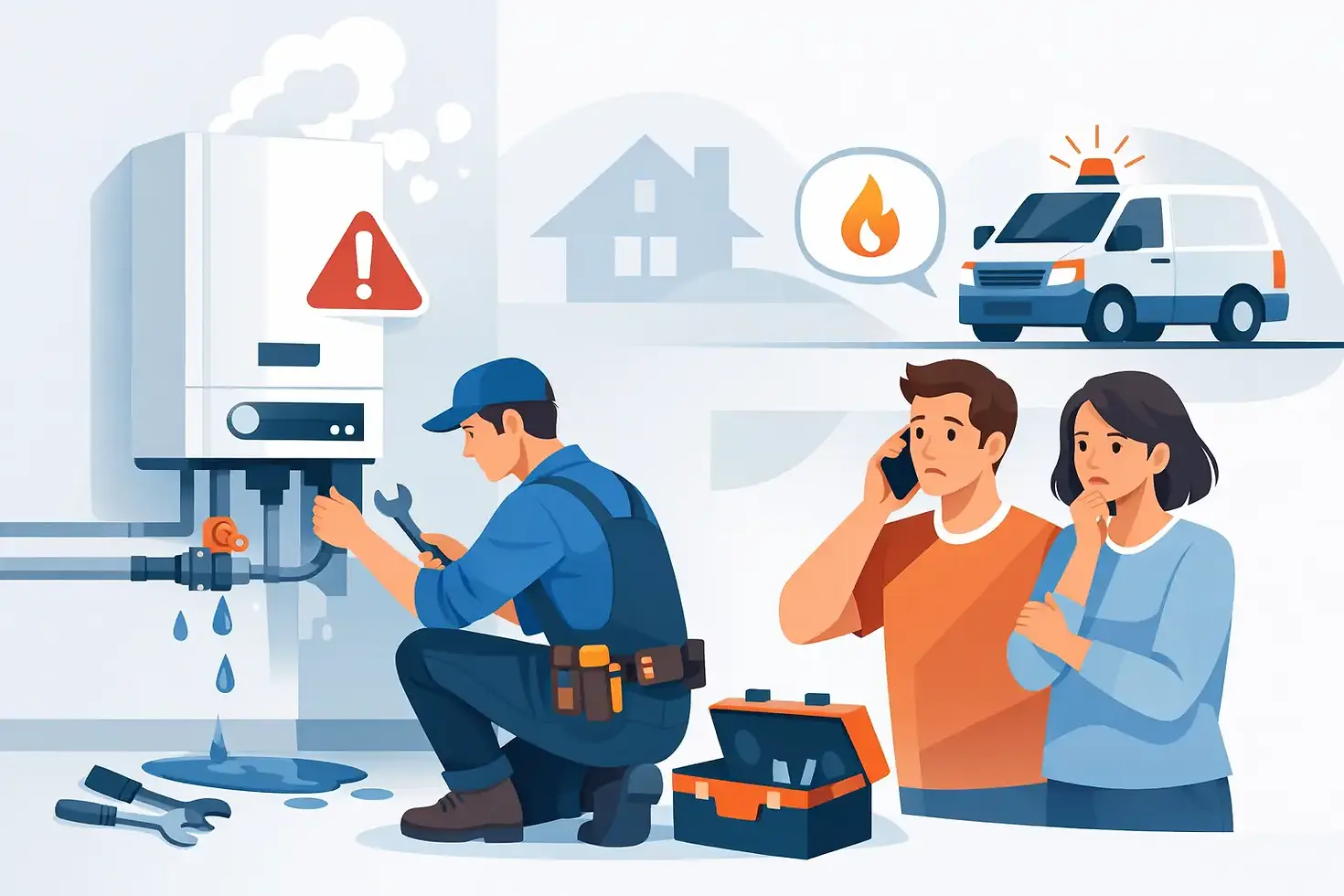
The first thing to know is simple - not every boiler fault is an emergency, but some absolutely are. If there is a gas smell, signs of a leak near electrics, smoke, scorching, or water pouring from the boiler, treat it as urgent. If the boiler has simply stopped producing heat or hot water with no other warning signs, it may still need fast attention, but the immediate risk is often lower.
Emergency boiler repair advice: what to do first
Start by staying calm and checking for obvious warning signs. If you can smell gas, do not touch electrical switches, do not use naked flames, and open doors and windows straight away. Leave the property if needed and arrange urgent professional help. Safety comes first every time.
If there is no gas smell but the boiler is leaking, switch off the water supply to the boiler if you know how to do so safely. In many homes, turning off the boiler and containing the leak with towels or a bucket can prevent further damage to floors, cupboards, and ceilings below. Water damage can spread quickly, especially if the boiler is in an airing cupboard or upstairs.
If the issue is a loss of heating or hot water, check whether the boiler display is showing a fault code. You do not need to diagnose the fault yourself, but noting the code can help a qualified engineer understand the likely issue faster. Also check whether the problem could be as simple as a tripped fuse, low pressure, or a room thermostat setting. Sometimes the fix is straightforward, but do not start taking panels off or trying repairs yourself.
When you should switch the boiler off
A boiler should be switched off if you notice anything that suggests it may be unsafe or causing damage. That includes unusual banging noises, burning smells, visible leaks, repeated pressure loss, or error codes that return immediately after a reset. If the appliance is behaving erratically, turning it off is often the safest short-term step until it has been checked properly.
There is one important exception. If temperatures are near freezing and you are unsure whether turning the system off could increase the risk of frozen pipework, it helps to get professional advice as soon as possible. In some cases, keeping parts of the system protected matters. In others, running a faulty boiler could create a bigger problem. It depends on the type of fault and the condition of the system.
If you do switch the boiler off, avoid repeated resets. One reset may be reasonable if the manufacturer guidance allows it and there are no signs of danger. Pressing reset over and over again can mask the real fault, put strain on components, and make diagnosis harder when the engineer arrives.
Problems that feel urgent but may not be dangerous
A sudden boiler breakdown is upsetting, especially in a family home, but urgency and danger are not always the same thing. No heating in winter is urgent because your home can become uncomfortable very quickly, and vulnerable people may be affected sooner. No hot water is also disruptive, but the level of immediate risk is usually lower unless there are other symptoms alongside it.
Low boiler pressure is another common issue that can stop the system working properly. In some homes, repressurising the system is simple. In others, pressure keeps dropping because there is a hidden leak or a faulty part. If topping up the pressure solves the issue once, that is one thing. If it happens repeatedly, it needs proper attention.
Strange noises also fall into the it depends category. Gurgling or kettling can point to limescale, trapped air, circulation problems, or pump issues. It does not always mean the boiler is dangerous, but it does mean something is not working as it should. Leaving it too long can turn a manageable repair into a more expensive one.
What not to do during a boiler emergency
This is where many homeowners accidentally make matters worse. Boilers are not DIY appliances. Even if the issue looks minor, opening the casing or trying to replace parts yourself is not safe unless you are properly qualified and registered to do that work.
It is also best not to ignore early warning signs because the heating still works sometimes. Intermittent faults are often the hardest on the system. A boiler that cuts out, loses pressure, or leaks only occasionally may still be on its way to a full breakdown.
Another mistake is focusing only on getting heat back on as quickly as possible. Speed matters, but safe, compliant work matters more. A rushed repair that does not deal with the real cause can leave you with another breakdown days later, or worse, an unsafe appliance.
What a Gas Safe engineer will usually check
When a qualified engineer attends an emergency callout, the aim is to make the situation safe first and restore heating or hot water if possible. That often starts with checking the visible condition of the boiler, the pipework, system pressure, flue, controls, and any fault codes being displayed.
They may also test key components and inspect for leaks, blockages, ignition issues, or circulation faults. In some cases, the problem is clearly repairable on the spot. In others, especially with older boilers, the fault may point to wider wear and tear across the system.
That is where honest advice matters. A good engineer should explain whether the repair is sensible, temporary, or likely to be followed by more faults. Sometimes repairing an older boiler is still the right choice. Sometimes replacement offers better value, especially if reliability has become a recurring issue.
Emergency boiler repair advice for older systems
Older boilers deserve slightly different advice because the decision is not always just repair or no repair. If your boiler is breaking down more often, parts are harder to source, or efficiency has dropped noticeably, an emergency callout can be the point where bigger questions need answering.
Paying for another repair may make sense if the fault is isolated and the rest of the appliance is in sound condition. But if the boiler is ageing, out of warranty, and costing more to run, the cheapest immediate option is not always the cheapest over the next year or two.
This is especially relevant for households with children, older relatives, or anyone working from home. Reliability matters. A boiler that fails every winter is not just inconvenient. It affects comfort, routines, and confidence in your heating system.
How to reduce the chance of another emergency
The best emergency boiler repair advice is not only about what to do during a breakdown. It is also about lowering the odds of one happening again. Annual servicing is the clearest place to start. A proper service helps spot worn parts, pressure issues, early leaks, and combustion concerns before they turn into emergency callouts.
Keeping an eye on warning signs helps too. If your radiators are slow to heat, the pressure drops often, the boiler becomes noisy, or your hot water turns inconsistent, those are useful clues. Dealing with them early is usually simpler and less disruptive than waiting for the system to stop altogether.
It also helps to know where your stop tap is, how to isolate the electrics to the boiler if necessary, and where the pressure gauge normally sits. You do not need to become an expert. You just need enough familiarity to respond calmly if something goes wrong.
For homeowners in places such as Southend-on-Sea, Westcliff-on-Sea, Leigh-on-Sea and nearby areas, having a trusted local engineer in mind before winter arrives can make a real difference. When the boiler fails, you do not want to spend an hour searching for help while the house gets colder.
A boiler emergency always feels bigger in the moment, especially when the house is cold and everyone wants answers straight away. The safest approach is usually the simplest one - stop, check for immediate danger, avoid DIY fixes, and get clear help from a qualified Gas Safe engineer who can put safety and reliability first.


Comments